Exploring the Advantages of Heat Recovery Ventilation for Energy Efficiency in Houses
Heat Recovery Ventilation (HRV) systems provide house owners a practical approach to enhancing energy effectiveness. By reclaiming warm from outgoing air, these systems can substantially minimize heating & cooling prices. Furthermore, they supply a consistent supply of fresh air, improving indoor air top quality and convenience degrees. As home owners think about lasting alternatives, comprehending the nuances of HRV systems comes to be increasingly important. What variables should one review before making such an investment?
Comprehending Heat Recovery Ventilation Equipments
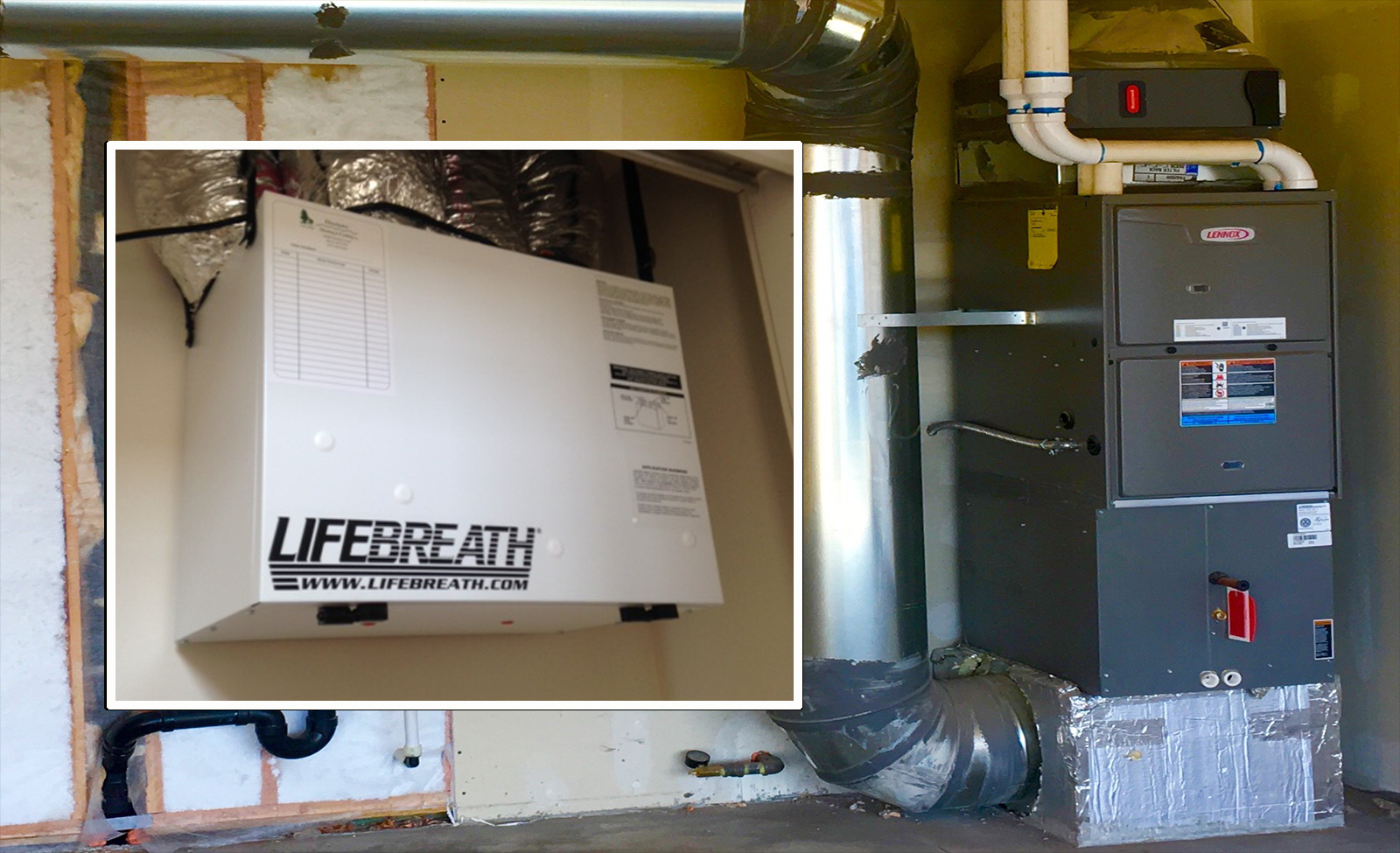
How HRV Enhances Indoor Air Top Quality
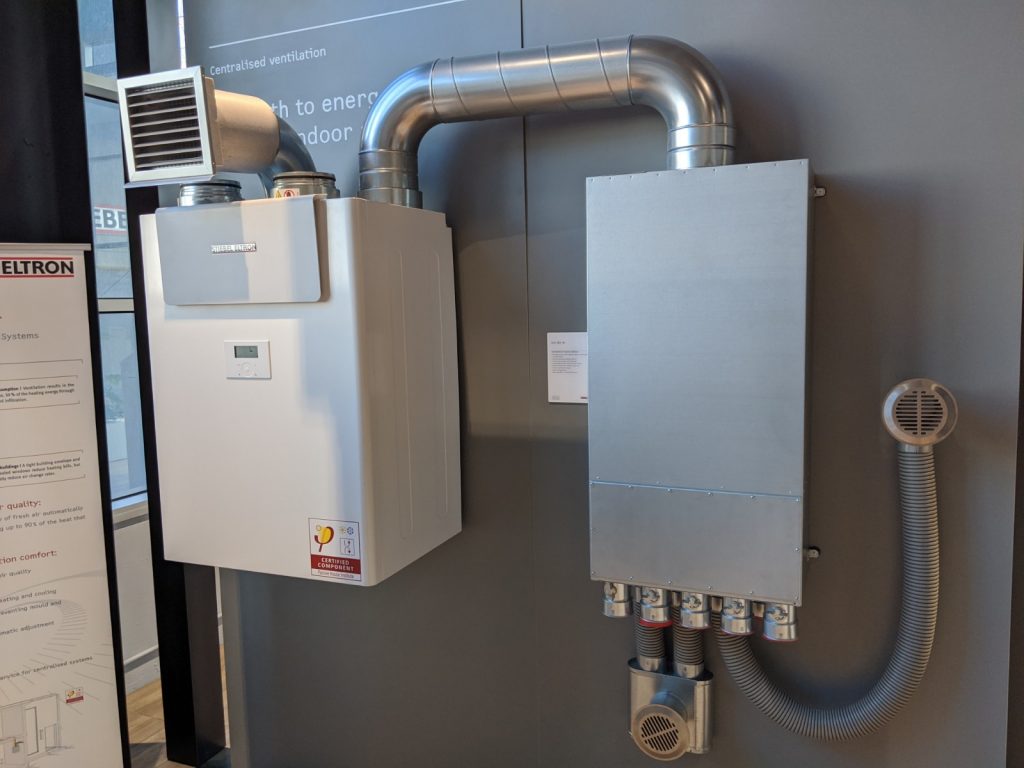
Energy Cost Savings: The Monetary Advantages of HRV
Maximizing energy efficiency, heat recovery ventilation (HRV) systems use significant financial advantages for homeowners. By recuperating and recycling warmth from exhaust air, HRVs considerably decrease heating & cooling expenses. This innovation can bring about energy cost savings of approximately 30%, depending on environment and usage patterns. Home owners often discover decreased utility bills shortly after installment, making HRVs an economically sensible investment gradually. Furthermore, numerous regions offer rewards or discounts for energy-efficient upgrades, better improving the financial allure. As energy prices remain to climb, the cost-effectiveness of HRVs ends up being significantly clear. Generally, the consolidation of HRV systems not only promotes energy efficiency but also adds to lasting economic savings for houses.
The Ecological Influence of Heat Recovery Ventilation
A substantial ecological advantage of heat recovery ventilation (HRV) systems copyrights on their capacity to reduce overall power consumption. By redeeming heat from exhaust air and transferring HRV Heat Recovery Ventilation it to inbound fresh air, HRV systems reduce the demand for energy-intensive home heating and cooling down methods. This reduction in power demand adds to lower greenhouse gas emissions, as much less nonrenewable fuel source is needed to maintain comfortable indoor temperatures. Furthermore, HRV systems improve interior air quality by effectively exchanging stale air with fresh outside air, reducing dependence on mechanical cooling systems that can hurt the environment. Generally, the implementation of HRV systems sustains sustainable living practices and aligns with worldwide initiatives to battle environment modification by promoting energy efficiency in household setups.
Selecting the Right HRV System for Your Home
Exactly how can property owners guarantee they choose the best heat recovery ventilation (HRV) system for their demands? They must evaluate their home's size and design, as these factors affect air movement needs. Next, examining the system's effectiveness scores is important, as higher rankings indicate far better efficiency and power cost savings. Home owners need to additionally think about setup and maintenance prices, contrasting different brands and designs for worth. Additionally, it's vital to assess sound levels, as some systems run more quietly than others. Consulting with heating and cooling experts can give tailored recommendations based upon specific home problems. Finally, analyzing customer evaluations and service warranties can aid in making a notified decision, making sure that the selected HRV system effectively enhances indoor air quality and energy performance.
Often Asked Concerns

Just how Commonly Should I Clean or Keep My HRV System?
The frequency of cleansing or keeping a warmth recuperation ventilation (HRV) system typically depends upon use and environmental aspects. Typically, it is a good idea to do upkeep every six months to assure peak performance and air high quality.

Can HRV Systems Help In Reducing Humidity Degrees Indoors?
HRV systems can successfully reduce indoor moisture degrees by exchanging stagnant, moist air with fresh, drier air from outside. HRV Heat Recovery Ventilation. This procedure helps preserve a balanced indoor setting, improving comfort and preventing moisture-related concerns
What Is the Life-span of a Common HRV System?
The life-span of a normal heat recovery ventilation (HRV) system varies, generally lasting between 10 to 15 years. Regular maintenance can extend its effectiveness and functional life, guaranteeing peak efficiency throughout its use duration.
Exist Any Type Of Noise Issues With HRV Solutions?
Noise interest in HRV systems can develop, especially from fan operation. Lots of contemporary devices are designed to lessen sound levels, ensuring they run silently while keeping performance, which deals with potential disruptions in living atmospheres.
Can I Install an HRV System Myself, or Do I Need an Expert?
The private contemplated whether to set up the heat recovery ventilation (HRV) system directly or hire a professional. Generally, while do it yourself installment is feasible, knowledge guarantees proper functionality and compliance with local building ordinance, boosting system efficiency.